Relocating to Lynchburg, VA: Essential Tips for a Smooth Move
Lynchburg, Virginia combines historic charm, access to the Blue Ridge Mountains, and a relatively moderate cost of living. According to U.S. Census Bureau estimates for 2023, the city’s population is just over 80,000 residents, giving the area an intimate scale compared with larger metros. Relocation to Lynchburg VA appeals to families, students, and remote workers who value shorter commute times, established neighborhoods such as Boonsboro, and proximity to outdoor recreation along the James River and in nearby George Washington National Forest.
What should newcomers know about Lynchburg’s neighborhoods and layout?
Lynchburg’s core radiates from Downtown Lynchburg along Main Street and Church Street, where historic warehouses and storefronts have been converted into lofts and cafes. Residential areas spread outward along Fort Avenue, Rivermont Avenue, and Boonsboro Road, each with distinct character. According to the City’s planning information on LynchburgVA.gov, the municipality covers roughly 50 square miles, so drive times between most districts stay under 25 minutes even at busy periods, which simplifies daily routines for relocating households.
Families often focus on school zoning when evaluating neighborhoods such as Sandusky, Timberlake Road corridor, and Wyndhurst. E. C. Glass High School, Heritage High School, and Sandusky Elementary anchor several established residential pockets. According to GreatSchools, E. C. Glass High earns ratings in the middle to upper range for academics and college readiness, reflecting a diverse student body. Neighborhoods near Central Virginia Community College and the University of Lynchburg attract both faculty and students seeking walkable commutes.
Housing stock ranges from early-1900s homes in Rivermont and Garland Hill to newer subdivisions near Old Forest Road and Wards Road. According to Redfin data for mid-2026, typical closed-sale prices for single-family homes in Lynchburg often fall between $220,000 and $320,000, with some starter properties under $200,000. That range remains lower than many East Coast metros, which attracts relocating buyers from Northern Virginia and North Carolina seeking more purchasing power.
How do housing costs and property taxes compare for a relocation to Lynchburg VA?
For many relocating households, monthly housing costs drive the entire decision. According to Zillow data through early 2026, the typical Lynchburg home value trends around the mid-$200,000 range, with condos and townhomes sometimes available near $180,000. Rental options near Wards Crossing and River Ridge Mall include garden-style apartments, townhome communities, and newer complexes that frequently list one-bedroom units between roughly $950 and $1,250 per month.
Virginia’s average effective property tax rate is about 0.82%, based on statewide analysis by SmartAsset, which generally undercuts many Northeastern states. Within Lynchburg, tax bills vary by neighborhood and assessed value, but the overall burden often compares favorably with markets where rates exceed 1.5%. This difference can translate into several hundred dollars in monthly savings on a home similarly priced to one in higher-tax regions, particularly for properties above $300,000.
According to recent surveys by Redfin, a substantial share of Lynchburg buyers originate from outside the metro area, seeking a combination of lower housing costs and smaller-city pace. Many of these buyers target areas like Boonsboro Road, Homestead Drive, and the Timberlake Road corridor, where detached homes with garages, yards, and three or four bedrooms remain attainable within conventional loan limits of around $750,000 in Virginia, far below luxury thresholds seen in coastal cities.
What is daily life like in Lynchburg in terms of commute, amenities, and outdoor space?
Commuting patterns in Lynchburg remain manageable compared with larger metros. According to U.S. Census Bureau data, average one-way commute times hover around 20 minutes. Major corridors such as U.S. Route 29, Lakeside Drive, and Campbell Avenue connect residential districts to job centers including Centra Lynchburg General Hospital, Liberty University, and Downtown offices. Lynchburg Regional Airport lies roughly 7 miles south of Downtown, providing regional flights and easy access to larger hubs for frequent travelers.
Retail and dining cluster along Wards Road, Old Forest Road, and in Downtown Lynchburg. River Ridge Mall offers national retailers, while local favorites line Main Street and Commerce Street near the Academy Center of the Arts. According to Walk Score, Lynchburg averages a walk score in the low 30s, but Downtown and parts of Rivermont reach much higher ratings thanks to dense blocks of restaurants, cafes, and services within a short stroll of many lofts and historic homes.
On an autumn afternoon along the Blackwater Creek Trail, the scent of damp leaves mixes with the earthy aroma rising from the James River below Riverside Park. Cyclists glide past with the soft whir of tires, while runners pass under tunnels where their footsteps echo against cool stone. Sunlight filters through yellowing maple trees near Ivy Creek Greenway, and the distant bell tower at Randolph College rings faintly over the rustle of wind along Rivermont Avenue.
How important are education and the local university presence for newcomers?
Lynchburg’s education landscape significantly shapes neighborhood choices. The city hosts Liberty University, the University of Lynchburg, Randolph College, and Central Virginia Community College, creating a substantial student and faculty population. According to Liberty University, total enrollment exceeds 130,000 students when including online programs, with more than 15,000 studying on campus. This concentration of higher education supports stable employment, seasonal rental demand, and a steady schedule of cultural events, lectures, and athletic competitions.
Public schools under Lynchburg City Schools, along with nearby Bedford County schools such as Jefferson Forest High School, offer varied programming. Neighborhoods zoned for Heritage High School, Linkhorne Middle School, and Perrymont Elementary draw households focused on continuity across grade levels. According to GreatSchools data for early 2026, local campuses show a range of ratings, so many relocating families review individual school profiles, test scores, and course offerings before finalizing a purchase or lease.
On a crisp Friday evening at City Stadium, the glow of stadium lights washes over E. C. Glass High School’s football field while the scent of popcorn drifts from the concession stand. Brass instruments from the marching band cut through steady crowd noise as families wrap fingers around warm cocoa cups. Beyond the stands, headlights trace Fort Avenue in slow lines, and the cool air carries distant cheers back toward nearby neighborhoods around Memorial Avenue and Oakley Avenue.
What should relocating households know about recreation, culture, and healthcare access?
Lynchburg offers an extensive park system for a city of its size. According to Lynchburg Parks & Recreation, the Blackwater Creek Trail system includes more than 8 miles of paved paths, linking Hollins Mill Park, Percival’s Island, and Riverside Park. Peaks View Park spans over 260 acres with ball fields, playgrounds, and wooded trails. These amenities, combined with easy drives of roughly 35 miles to the Blue Ridge Parkway, support active lifestyles year-round.
Cultural life centers on venues such as the Academy Center of the Arts on Main Street and Amazement Square along the James River. These institutions host rotating art exhibitions, children’s programs, and live performances. According to attendance figures discussed by the Academy Center of the Arts, annual visitors number in the tens of thousands, reinforcing Downtown Lynchburg’s role as a regional gathering point. Seasonal festivals on Monument Terrace and at Riverfront Park further enliven the city’s calendar.
Healthcare access plays a crucial role for many relocating households. The Centra Lynchburg General Hospital campus along Tate Springs Road, together with Centra Virginia Baptist Hospital on Langhorne Road, anchors a network of specialty practices. According to summaries from Centra Health, the system includes more than 600 physicians and advanced practice providers across Central Virginia. Travel times from most Lynchburg neighborhoods to major hospitals typically remain under 20 minutes, which supports ongoing care and emergency needs.
How can newcomers plan a smooth relocation timeline and integration into Lynchburg?
Successful relocation to Lynchburg VA often begins with a detailed, month-by-month plan. Many households start property searches three to six months before a targeted move, reviewing listings near Boonsboro Road, Leesville Road, and Timberlake Road. According to data from Redfin for Q1 2026, typical days on market in Lynchburg frequently fall in the 20 to 35-day range. This window offers some breathing room, but desirable homes in school-focused areas may still attract multiple offers.
Many relocating households schedule first visits around key seasonal markers. Spring and early summer often reveal mature landscaping in neighborhoods around Boonsboro Road, while fall trips highlight foliage along the Blue Ridge Parkway and around Peaks View Park. Establishing connections with local organizations such as the Lynchburg Regional Business Alliance, neighborhood associations in Wyndhurst or Sandusky, and volunteer opportunities at Amazement Square or the Lynchburg Humane Society can accelerate social integration and local knowledge.
Logistics matter as much as long-term planning. Creating an inventory of service providers in advance—such as utilities along Lakeside Drive, internet options near Old Forest Road, and storage facilities off Odd Fellows Road—reduces first-week stress. Many households also map grocery and pharmacy access near preferred neighborhoods, including locations such as Kroger on Timberlake Road and Fresh Market on Old Forest Road, to ensure essential errands stay within 10 to 15 minutes of home once the moving truck departs.
The population figure above 80,000 cited at the start of this guide reflects Lynchburg’s balance between small-city familiarity and meaningful amenities. That 80,000-resident scale from the opening underscores how commutes, services, and neighborhood networks remain accessible without metropolitan complexity. The Lynchburg Association of Realtors market updates provide detailed insight into current inventory and pricing patterns. Buyers who register listing alerts through that resource and schedule tours within 48 hours of preferred properties hitting the market before the late-spring surge in May typically secure stronger negotiating positions, while those delaying searches until after summer often face tighter inventory and higher competition for comparable homes.
FROM OUR BLOG

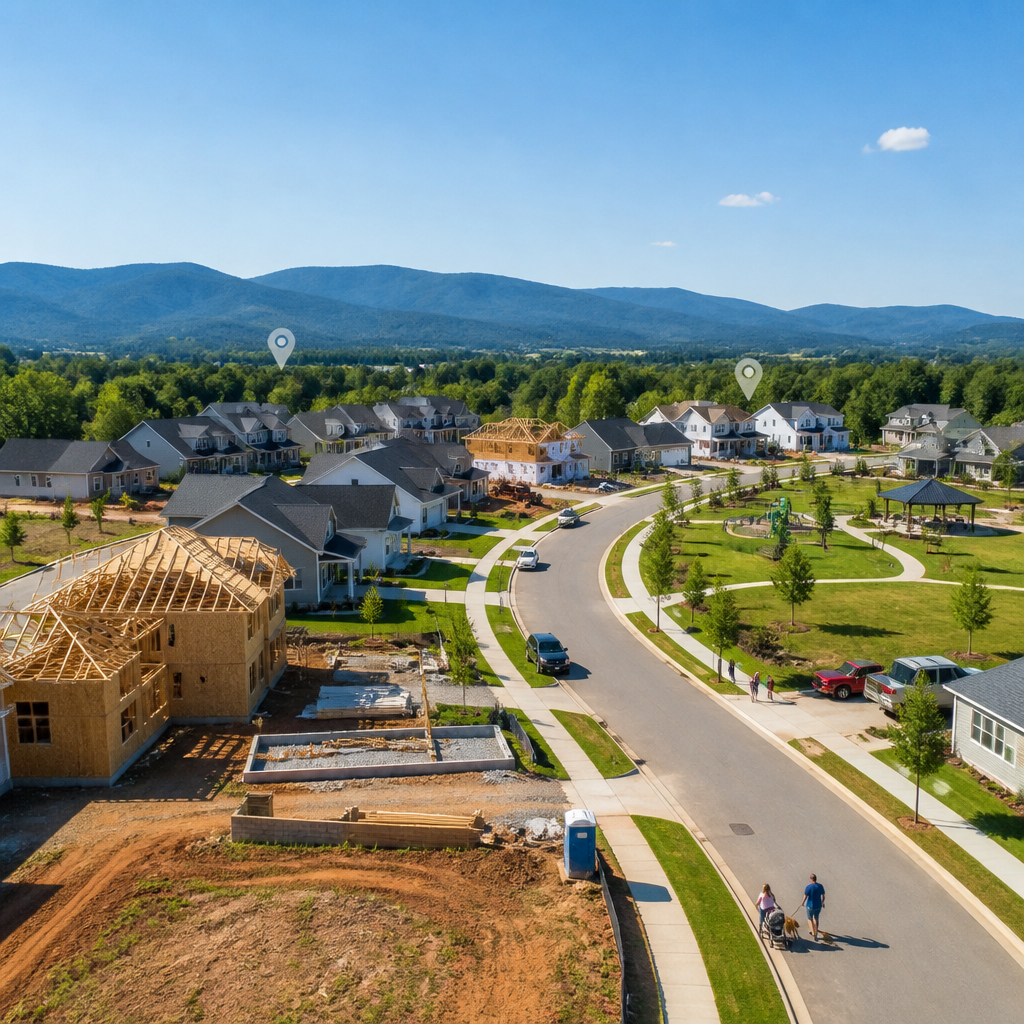
Exploring New Construction Homes in Bedford, VA: What You Need to Know
Exploring New Construction Homes in Bedford, VA: What You Need to Know New construction homes in Bedford, VA now claim a rising share of local listings as demand shifts toward energy-efficient designs and low-maintenance living. According to Redfin, new builds account for roughly 10% to 15% of avail
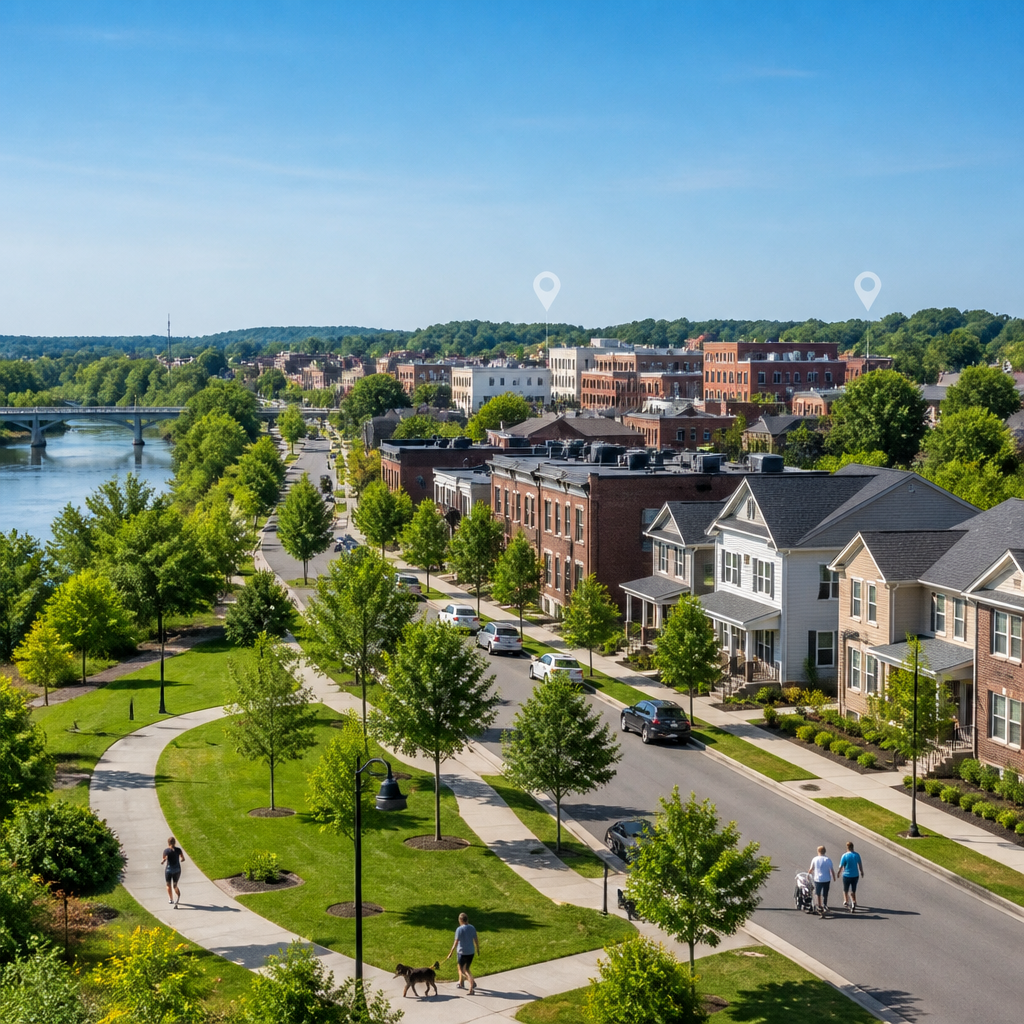
First-Time Homebuyers in Danville, VA: Your 2026 Guide to Success
First-Time Homebuyers in Danville, VA: Your 2026 Guide to Success First-time homebuyers in Danville, VA face a market that remains relatively accessible compared with many Virginia cities. According to Zillow, typical Danville home values in late 2024 fall roughly between $140,000 and $190,000, depe